The short answer
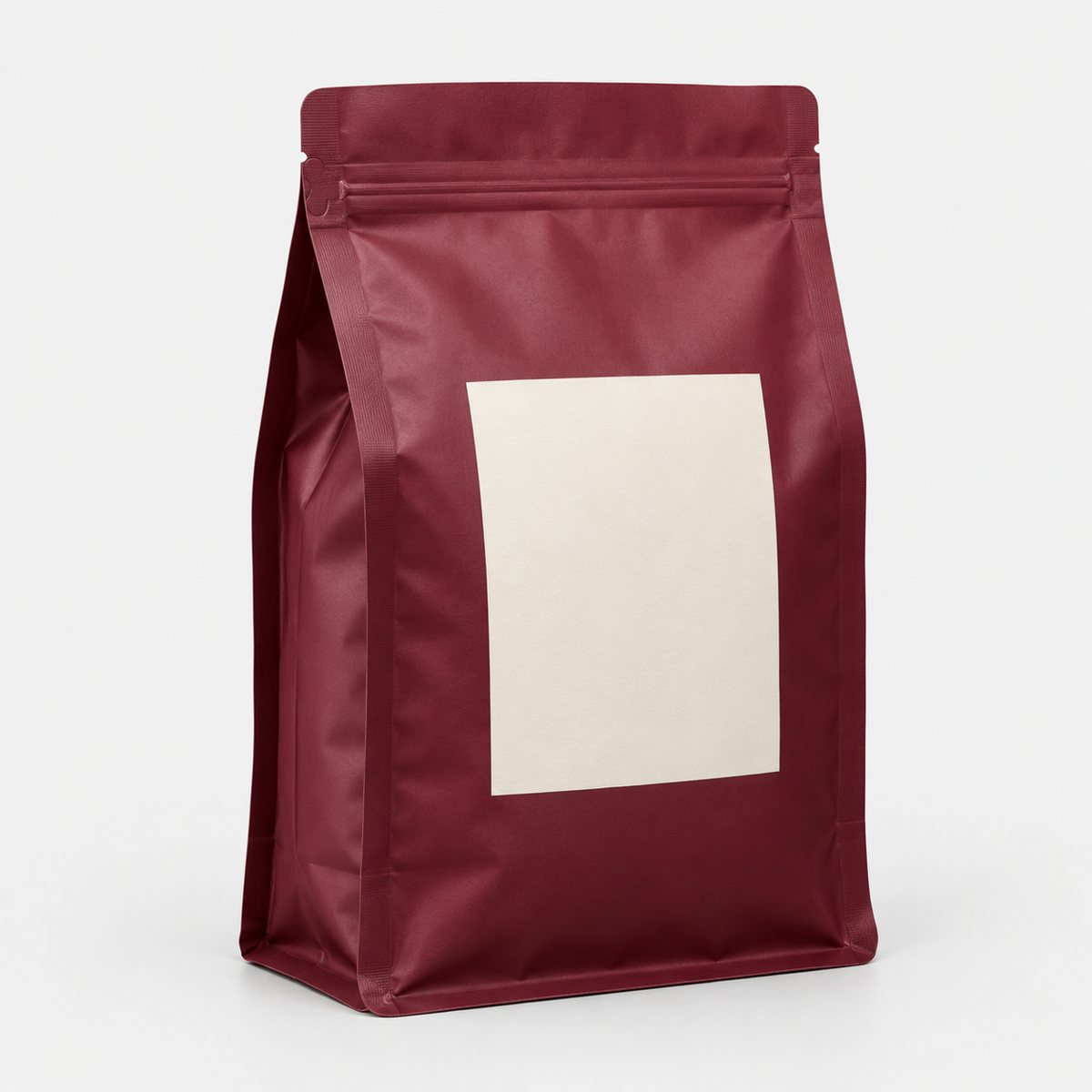
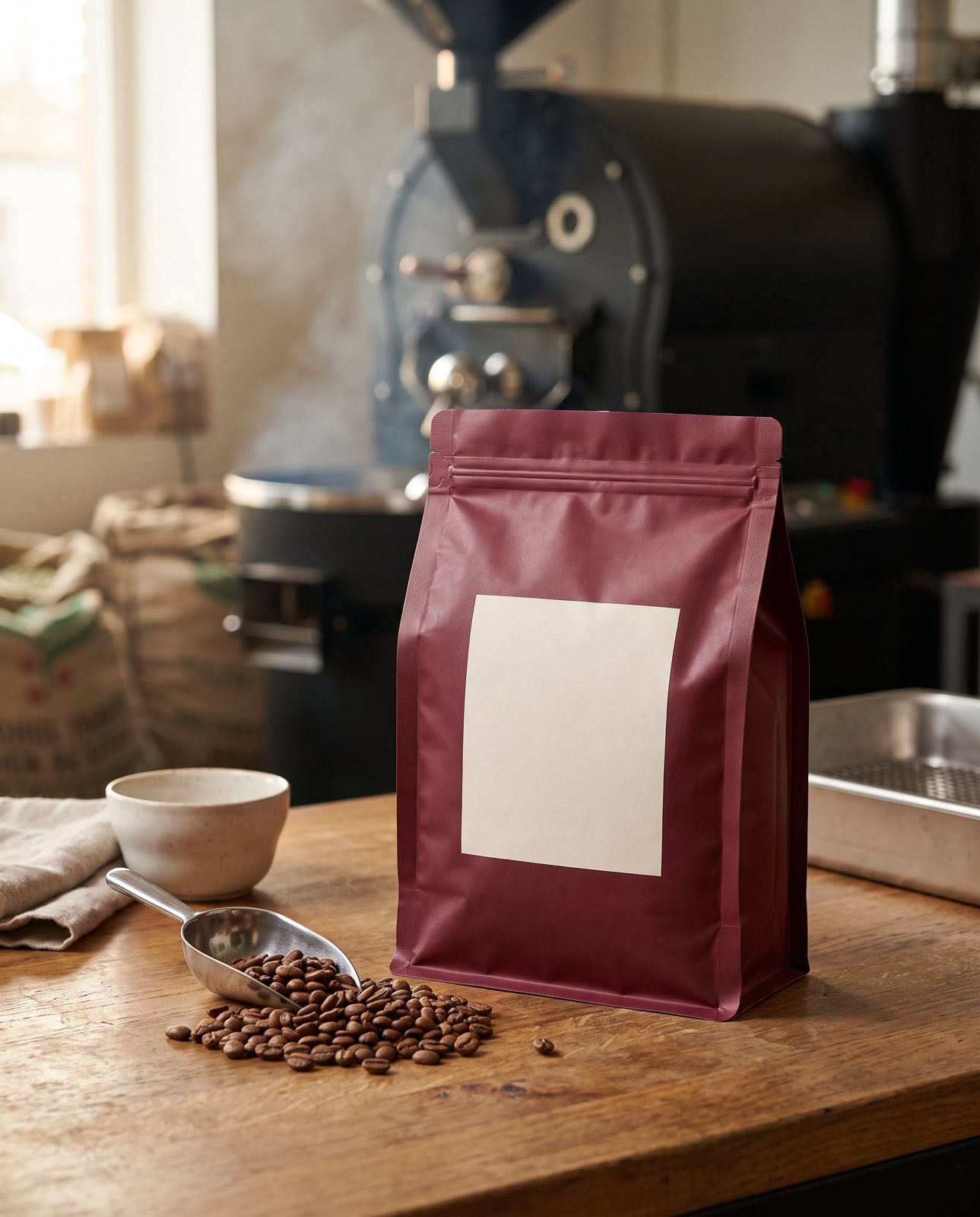
Most small businesses need two kinds of image. One is a clean shot of each product, on a plain background, so people can see exactly what they're buying. The other is a handful of setting shots that show the thing in use: the candle on a shelf, the coffee bag on a kitchen counter, the jar of cream beside a basin.
The clean ones are easy to shoot yourself, or you can post the product to a packshot studio. For setting shots, the choice is a lifestyle studio set or an AI service that works from one photo of your product. We run one of those AI services, Product Photo Shots, so weigh what we say about it accordingly. We've tried to be fair to the other two routes, because plenty of businesses are better off with them.
What a small business actually needs
It's tempting to think you need dozens of images per product. You don't. Think about where the pictures end up: your website, maybe a marketplace listing, and social posts. That's the whole job.
For each product, you want a clean main image first. This is the one that sits in the search results and the basket. Then a detail shot of the wick or the grain of the beans, and something that shows scale, because "how big is it?" is the question people won't ask you, they'll just leave. After that, two to four setting shots for the website, the marketplaces and the social posts.
That's it. Anything beyond that is nice, not necessary. If you want the wider picture of how these images fit into a shop, our ecommerce product photography guide goes through it in more detail.
Doing it yourself
Let's start with the cheapest option, because for a lot of owners it's genuinely the right one. A phone, a window and a sheet of card or a cheap lightbox is enough for a clean white-background shot. We've written that up properly in our cheap product photos guide, so we won't repeat all of it here.
What DIY does well is plain shots. Lots of them, in lots of variants, whenever you like. New scent of candle? Shoot it that afternoon. Changed the label? Reshoot it before the kettle's boiled. There's no waiting for a booking and no minimum charge, and quick updates are hard for a studio to match. If you have forty variants that differ only by colour, doing them yourself at the kitchen table is often the sensible call (though your kitchen table may disagree).
Where it struggles is anything styled. A good setting shot needs props, a location, the right light at the right time, and time to fiddle. That's the bit that eats your weekend. You can do it, plenty of people do, but it's a different skill from taking a clean packshot, and it's the one that takes the longest for the least obvious reward. The honest summary: DIY is brilliant for the clean shot and often miserable for the scene.
Outsourcing to a studio
A studio is the better choice for several things: lots of variants that need to match exactly, people wearing or holding the product, and technical close-ups where lighting really matters. If your skincare range needs a model's hands, or your jewellery needs a macro shot you can't fake with a phone, pay someone who owns the right kit.
Prices vary a lot, so here are the three we checked, all on 3 October 2026. Take them as a snapshot, not a quote.
The Photography Firm charges per final image for white or simple-background packshots, plus VAT. Up to 5 images is £35 each and 6 to 20 is £24, then it's £18 for 20 or more, £14 for 50 or more, and 100 or more is on application. With VAT added, the £14 to £35 range becomes £16.80 to £42 per image. The catch is the minimum charge: £150 plus VAT on every booking, which is £180 with VAT. So a small booking costs at least £180 with VAT, whatever the per-image rate says. Glassware, jewellery and technical items carry a set-up fee from £100 an hour, and retouching beyond the standard (broken packaging, colour changes) is £40 an hour. Lifestyle images are the same per-image rate plus a set fee: from £45 for a small lifestyle set, £60 for a medium one, £95 for a small room set and £150 for a large room set. A full location set, such as a kitchen, bathroom or outdoor scene, has a minimum of £375. Studio time itself is £145 an hour, £425 for a half day and £845 for a full day. Models start from £25 an hour for everyday and around £50 an hour for agency models, who usually have a two-hour minimum. All of the Photography Firm prices above are plus VAT.
If you'd rather not travel, Silkwood Studio works by post: you send the product and it comes back. A basic shot is £15 per product, one high-resolution image on pure white. The standard pack is £40 per product, up to three angles on white with light retouching. The premium showcase is £70 per product, up to five styled and angled images. The page doesn't say whether VAT is included, so check before you order.
Light Studios prices packshots from £10 for a front image when you order between 1 and 35 images. That drops to £9 for 36 to 60 and £8.50 for 61 to 100, then £8 for 101 to 200, with £7.50 beyond that (call for prices). Each further image of the same item is 50% less. Creative photography is £80 an hour. Again, VAT isn't stated on the page.
The pattern is worth noticing. Posting a product is cheap per item and suits a small range. A booked studio session has a floor, so it only really pays off when you've got enough products to fill it. For a fuller breakdown of how these charges add up, see our UK product photography cost guide, and for how to choose a provider, our product photography service guide.
Using an AI service
This is the route we know best, so we'll be specific about how ours works, including the awkward bits.
You upload one to three photos of your product as JPG, PNG, WebP or HEIC (that's the iPhone format), up to 15 MB each. Before you pay, we study the photo and list what must stay the same about the product. That check is free and takes about a minute; our precheck measured 11 seconds on 1 October 2026. You choose your shapes: square 1:1, portrait 4:5, story 9:16 or wide 16:9.
Then you pay for a pack. Three shots is £19 (£6.33 a shot), five is £29 (£5.80), ten is £49 (£4.90). A custom order of 11 to 40 shots is £4.50 a shot. Prices include VAT. A 3-shot order took about four minutes in testing on 1 October 2026. Each shot downloads as a native full-size PNG and as an sRGB JPEG, resized to at least 2,000 px on the short side and kept under 1 MB. Eight real shots measured 0.14 to 0.69 MB as JPEG, with the PNGs at 4 to 8 MB. Free samples are a single watermarked JPEG. You also get one free redo per delivered shot, and we delete your photos and shots 90 days after the order.
The part that matters most is the checking. Every shot is compared against your original. If a shot changes the product, it's remade with a specific fix, up to three attempts in all. If it's still wrong after that, a person looks at it, and it's never delivered as is. In an adversarial test, the check rejected a product that had been recoloured blue ("colour wrong") and a product with a made-up logo added ("added text"). It does catch things.
It doesn't catch everything first time, though. In a demo run on 2 October 2026, 19 of the 30 shots passed on the first attempt. Eight were delivered after a second or third attempt, and three were held back: the coral skincare jar on wet poolside stone, and the steel bottle at a mountain campsite and in a fitness studio. So roughly two in three go straight through, and the rest need another go or don't make it.
The limits are real, and we'd rather you knew them now. Some materials are hard. We saw colour drift on a coral skincare jar and on amber perfume (one perfume attempt was rejected as "colour wrong"), and brushed steel picks up its surroundings, so two steel bottle scenes failed all three attempts and were never delivered. Small printed text is another weak spot: on a famous-brand test, a tongue label came out garbled on most shots, though logos and large text held. And we can only shoot products you own or sell. Well-known brands' products can't be shot, because the image services refuse them, and we tell you before you pay.
Finally, every shot is reimagined with AI and labelled as such, and the files carry standard AI-provenance metadata. If you want the full explanation of what to look for in a service like this, our AI product photography service guide covers it.
How many shots to order
Here's a simple way to size an order. For each product, plan one clean shot plus two or three setting shots. That's it, no cleverness.
Take a five-product launch. That's roughly five clean shots, which you shoot yourself (or post to a packshot studio), plus ten to fifteen setting shots. Ten shots is a pack at £49. Fifteen sits in the custom range of 11 to 40, at £4.50 a shot. If it were a candle maker with five scents, that's five plain photos on a windowsill and a dozen or so scenes with the candle on a mantelpiece, a bedside table, a bathroom shelf.
Our advice, though, is to avoid ordering for the whole range straight away. Start small. Pick the product that sells best, order three shots, and see how they look on your site and in your posts. If they work, scale up. If one material turns out to be fussy, you've found out for £19 rather than £49. Need ideas for what the scenes could be? Our product photography ideas guide has plenty.
Whichever route you take, the sizing holds. It's the same maths for a studio set or a DIY afternoon; only the cost per shot changes.