The short answer
The three UK studio price lists we checked put packshots at £7.50 to £35 an image, depending on volume and on whether VAT is included. Lifestyle work costs more, because set fees and minimum charges sit on top of the per-image rate. Doing it yourself costs time far more than money. Our AI scenes cost £4.50 to £6.33 a shot including VAT.
Those figures come from three published price lists checked on 3 October 2026. They are not a survey of the market, and prices change. So treat what follows as three worked examples, each quoted from the studio's own page. No average, no market range.
What UK product photographers charge
Start with The Photography Firm, because its list is the most detailed. Everything below is from its published price guide (photographyfirm.co.uk), and all prices are plus VAT. White or simple-background packshots are charged per final image, and the price drops as the order grows. It's £35 an image for up to 5 images, then £24 for 6 to 20, £18 for 20 or more, and £14 once you hit 50. For 100 or more images you ask for a price. Group shots cost more: from £45, £30, £25 and £22 across the same bands.
Silkwood Studio works differently. You post the product, they photograph it and send it back. It sells by the product, not the image. A Basic shot is £15 per product, and that gets you one high-resolution image on pure white. A Standard pack is £40 per product, with up to 3 angles, a white background and light retouching. The Premium showcase is £70 per product, with up to 5 styled and angled images. The page doesn't say whether those prices include VAT.
Light Studios prices by volume. A packshot front image is £10 for 1 to 35 images. It's £9 for 36 to 60, then £8.50 for 61 to 100, £8 for 101 to 200, and £7.50 for 200 or more (call for prices at that level). Each further image of the same item is 50% less. Its creative photography is charged by time instead, at £80 an hour. Again, VAT isn't stated on the page.
That's worth pausing on. Two of the three lists don't say whether VAT is included. If you're VAT-registered, that matters less, since you can usually reclaim it. If you're not, it can mean a 20% difference between the number you budgeted and the invoice you get. Ask before you book.
There are three ways to charge, and they're easy to mix up. Per-image pricing means you pay for each finished picture, which suits a big batch of simple shots. Per-product pricing means you pay for a product and get a set number of images of it, which suits sellers who want a few angles of each item. Day or hourly pricing means you're renting the photographer's time and space, and the number of images is up to you and how fast the work goes. Light Studios' £80 an hour for creative work is this model. So is The Photography Firm's studio time, which comes later.
To be fair, none of these is the "right" model. Each fits a different job. The trouble starts when you compare a per-image price with a per-product price as if they were the same thing.
What pushes the price up
The headline per-image rate is rarely the whole bill. Here's what moves it, using The Photography Firm's figures (all plus VAT).
Minimum charges. There's a £150 minimum on all bookings. Order three packshots at £35 and you're at £105, but you'll still pay £150. That's why small orders can feel expensive per image. The Photography Firm says its minimum covers studio set-up, which takes much the same work whether you bring three products or thirty.
Set building for lifestyle shots. Lifestyle images carry the same per-image rate plus a set fee. Lifestyle sets start from £45 for a small one and £60 for a medium. Room sets start from £95 for a small one and £150 for a large. Someone has to build the scene, source the props and light it. You're paying for that work.
Location sets. Full location sets, such as a kitchen, bathroom or outdoor scene, have a minimum of £375. If your product only makes sense in a real room, this is where the budget goes.
Glass and jewellery. Glassware, jewellery and technical items carry a set-up fee from £100 an hour. Reflective and transparent products are hard to light, and anyone who has tried to photograph a glass without catching their own reflection will see why.
Retouching beyond standard. Things like fixing broken packaging or changing colours are charged at £40 an hour. Standard clean-up is part of the job. Rescue work isn't.
Studio time and models. If you hire the studio itself (240 sq ft), it's £145 an hour, £425 for a half day or £845 for a full day. Models start from £25 an hour for an everyday model and run to around £50 an hour for an agency model, usually with a 2-hour minimum.
Posting products to a studio. This one isn't on a price list, but it's real. If you send your stock to a studio, you're without it while it's away, and postage may be yours, so check who covers it. Silkwood's model is built around posting products in.
Add these up and a single lifestyle image can cost well over double a plain packshot. That's fair enough. It's a different job.
Doing it yourself: what it really costs
DIY is cheap in money and expensive in everything else. The real costs are four things.
Time. Setting up, shooting, re-shooting and sorting files takes longer than you'd expect, especially for the first dozen products. A learning curve. Controlling reflections, keeping colours true and getting a clean edge are skills, and you learn them by getting it wrong. Light and space. You need a spot with steady, soft light and enough room to keep the product, the backdrop and yourself apart. Editing. The shoot is half the job. Cropping, levelling, cleaning up the background and exporting for each platform comes after.
The equipment can be very simple: a phone, a window and a sheet of white card. That's genuinely enough to start. If you want the practical version, our guide to taking product photos with your iPhone walks through it. There are no equipment prices here, because they vary too much and you can often begin with what's in the house.
So is DIY the cheapest route? On paper, yes. But your time has a price too. If you value an hour of your week at anything above zero, a hundred-product catalogue shot at the kitchen table isn't free. It's just paid for differently.
AI product photos: what they cost
There are two routes, and they behave very differently.
The first is general AI chat tools, such as ChatGPT and Gemini. They can restage a product, putting it on a marble worktop or in a sunlit room. But they redraw the product while they do it, so labels, logos and colours can change. There's no built-in check against your original. The tool doesn't know a changed label is a problem, and neither will your customer until the parcel arrives.
The second is services that check their results. They still generate a scene, but they compare it against your original and flag a product that has drifted.
Here's the hidden cost of AI, whichever route you pick: checking. Every image has to be looked at, and every changed one rejected. With a chat tool that job is entirely yours. You're the quality control, and a slightly altered logo is easy to miss at thumbnail size. With a checking service, some of that work is done for you.
Pricing for the checked route starts at £4.50 a shot including VAT, as the next section shows. For a fuller picture, read what AI gets right and wrong.
The per-image maths, side by side
Here's everything on one footing, using inc-VAT figures wherever the source gives them.
The Photography Firm's white packshots come to £16.80 to £42 an image including VAT (that's £14 to £35 plus 20% VAT, the standard UK rate per gov.uk). Its minimum booking is £180 including VAT (£150 plus VAT).
Light Studios charges £7.50 to £10 for a front image. VAT isn't stated. Further images of the same item are half price.
Silkwood Studio charges £15 a product for one white image. VAT isn't stated either.
Product Photo Shots packs run from £4.50 to £6.33 a shot, including VAT. Three shots are £19 (£6.33 a shot), five are £29 (£5.80), ten are £49 (£4.90), and a custom order of 11 to 40 shots is £4.50 a shot.
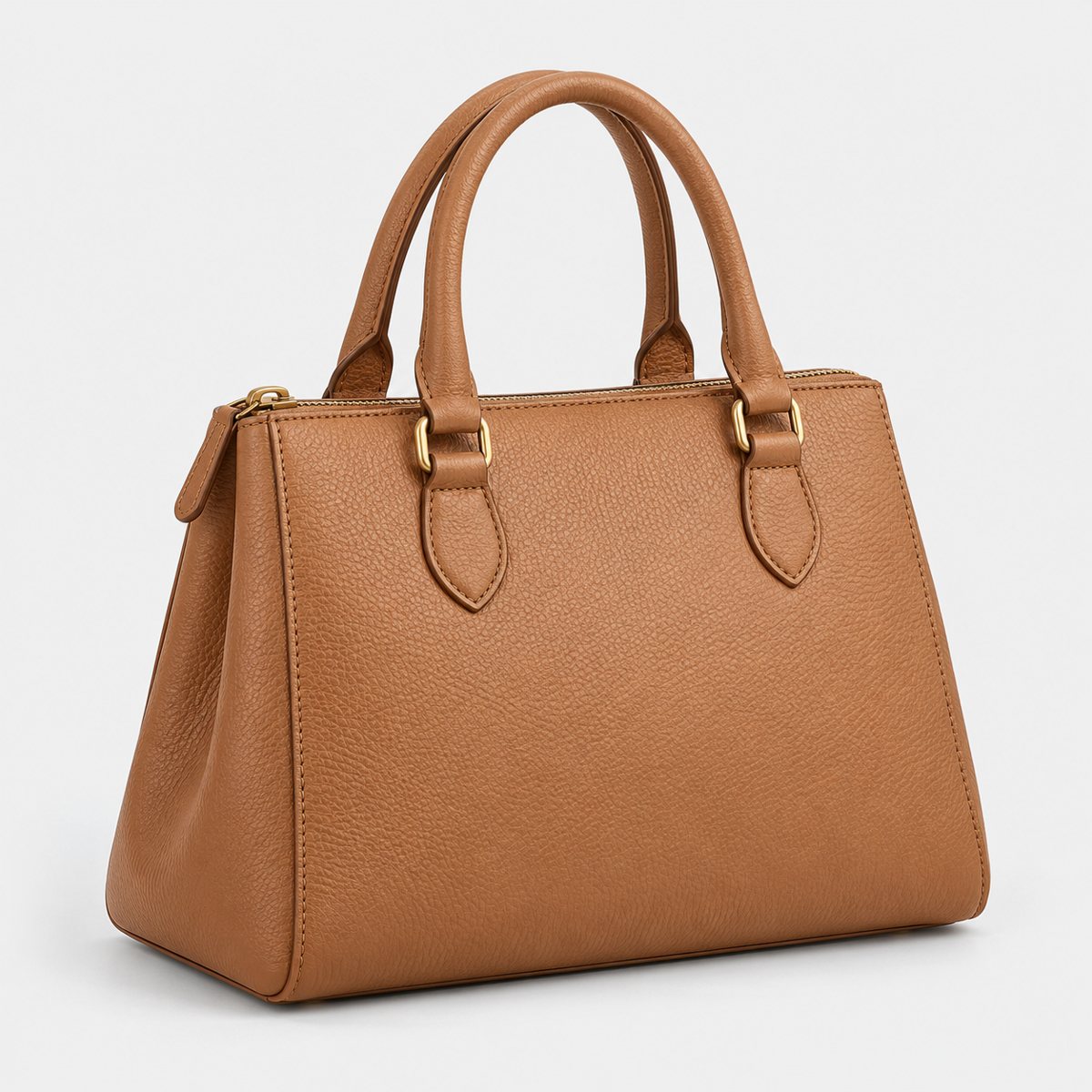
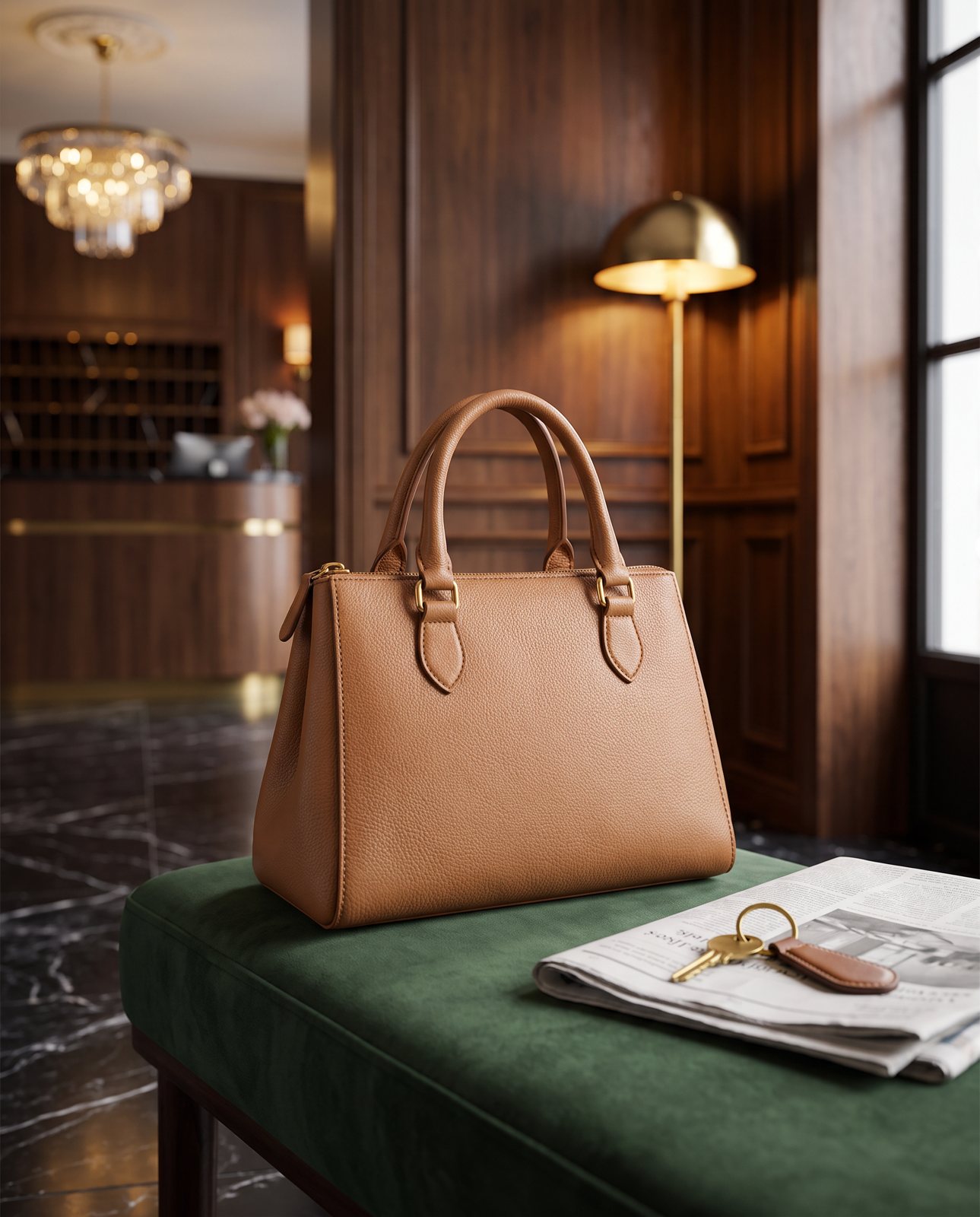
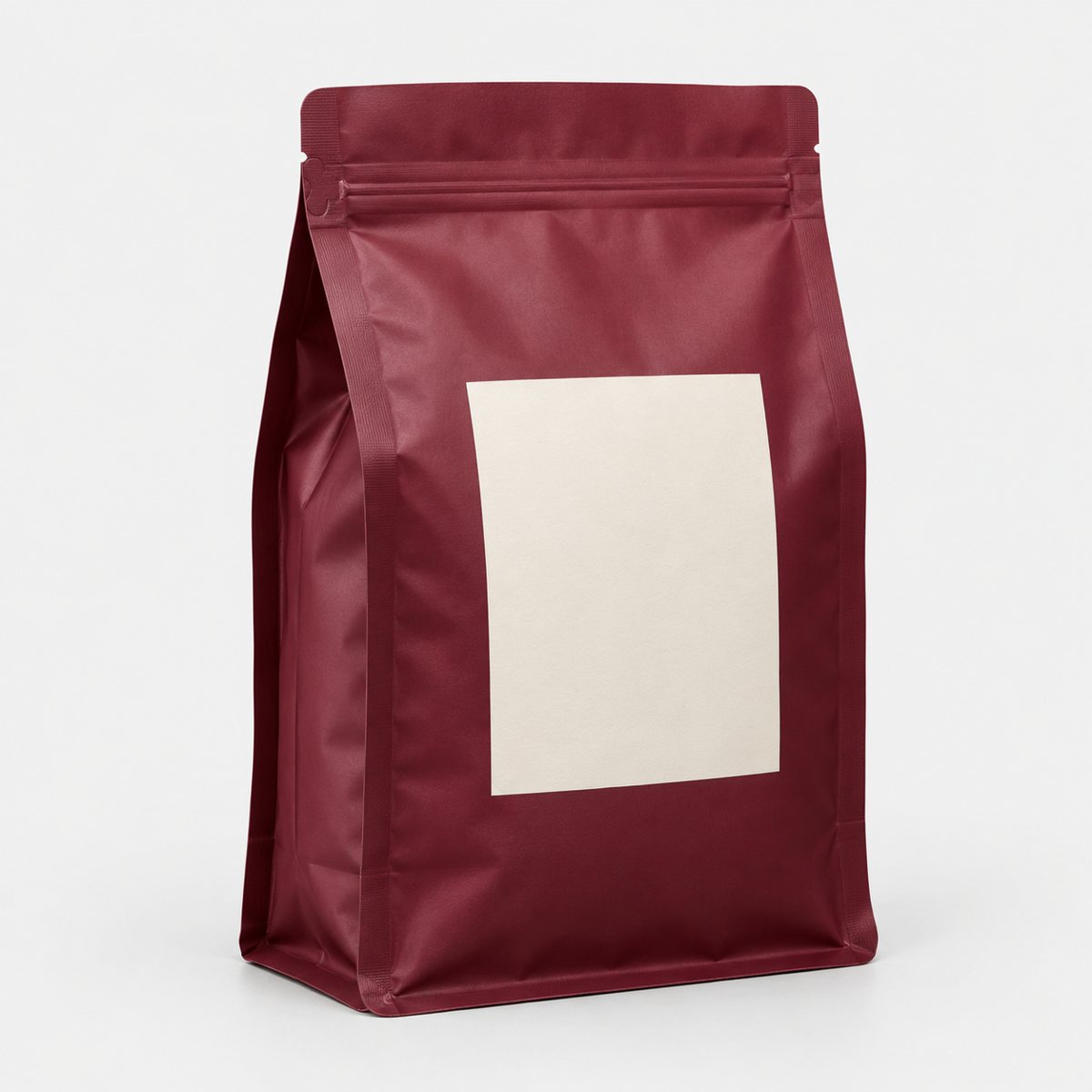
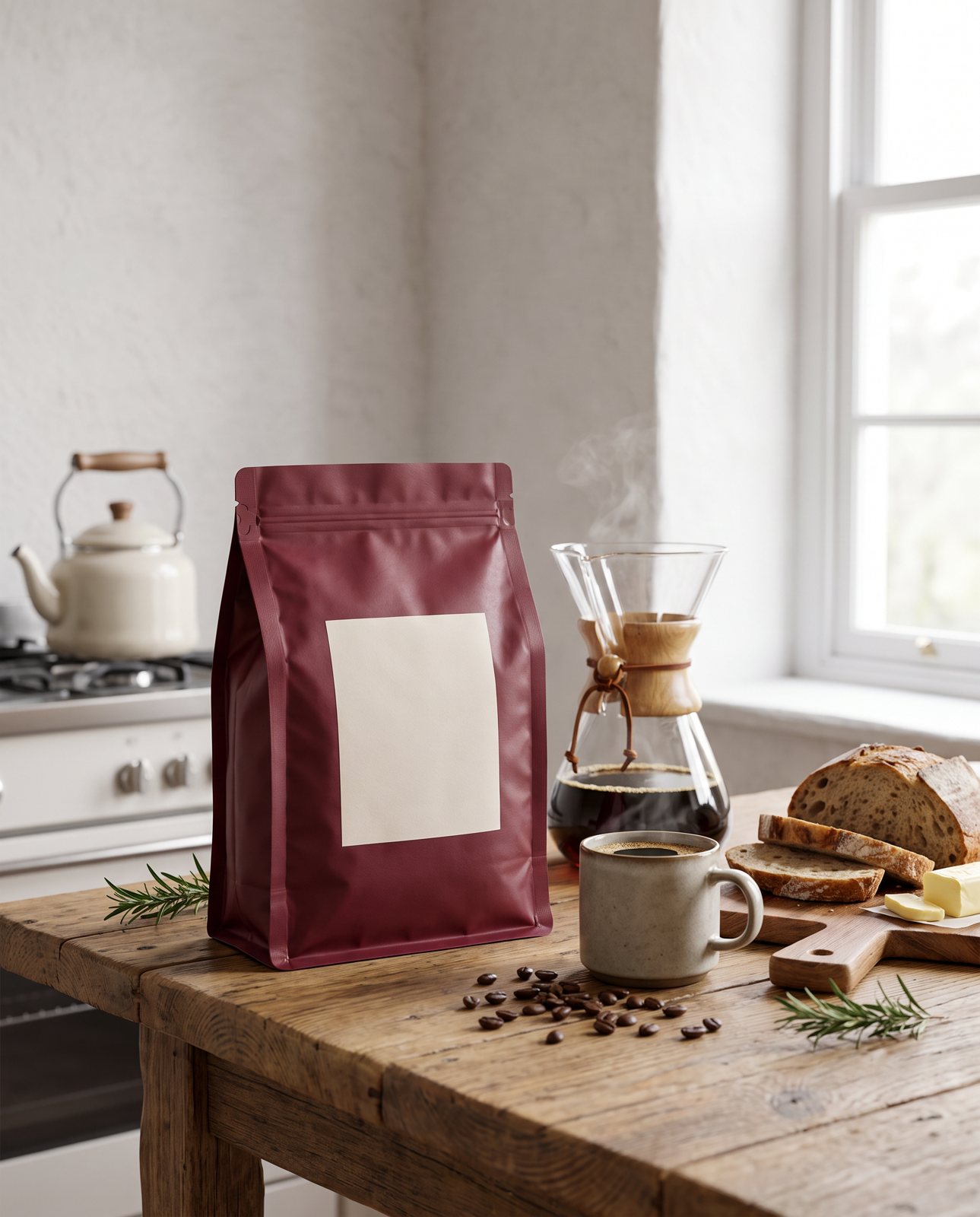
On raw numbers, AI looks cheapest. But don't stop there, because these aren't like for like. A photographer photographs your real product, including the plain white-background main image that marketplaces often want. Our shots are AI scenes made from your own photo. They're a different thing, and one doesn't replace the other.
The numbers also behave differently as you scale. A photographer's price falls with volume but carries a minimum. A per-product price rises with the number of angles. Ours falls from £6.33 to £4.50 a shot, and the smallest order is a 3-shot pack at £19. So the cheapest option for ten products isn't necessarily the cheapest for a hundred.
Which option is worth it for you?
Short version, matched to what you need.
You need white packshots for a whole range. Go to a studio, or build a DIY lightbox. This is exactly what studios do well, and the per-image price falls as the batch grows. It's also the main image many marketplaces ask for.
You need one or two hero lifestyle images, with real props or models. Book a photographer's lifestyle set. A set fee looks steep until you realise you're paying for a physical scene and real people. Nothing generated replaces that when the image has to carry your brand.
You need lots of scenes from one product, for ads, social and listings. AI with a check suits this. You want variety, different settings and different shapes, and you don't need each one to be a real photograph. Just make sure results are checked against the original.
You have a tight budget and time to learn. DIY. Start with a phone, a window and white card, and improve as you go.
Plenty of sellers end up mixing these. A studio for the hero images, DIY for the long tail, AI for the extra scenes. Nothing says you have to pick one.
How Product Photo Shots helps (and what it doesn't do)
Here's what we do, factually.
Pricing is simple: 3 shots for £19, 5 for £29, 10 for £49, or a custom 11 to 40 shots at £4.50 a shot. All prices include VAT.
Before you pay, we run a free check. We study your photo and list what must stay the same in the finished shots. It takes about a minute (our pre-check measured 11 seconds on 1 October 2026). If a shot changes your product, it's remade with a specific fix, up to three attempts in all. If it's still wrong, a person checks it. It's never delivered as is. You also get one free redo per delivered shot.
You can choose from four shapes: square 1:1, portrait 4:5, story 9:16 and wide 16:9. A 3-shot order took about 4 minutes in testing, on the same date.
What we don't do matters just as much. We don't make white-background packshots. We don't use real models. We can't shoot well-known brands' products; the image services refuse them, and you're told before you pay. We don't do physical styling. And we work from your own photo of a product you own or sell. If you need a real photograph of the real thing, hire a photographer. If you need a lot of scenes from one photo, start here.