The short answer
Yes. Etsy rewrote its Listing Image Requirements on 22 October 2026, and they now say it plainly: "You may use photo editing software or AI-powered tools on your other listing images, provided the final result remains an accurate representation of the physical product." Etsy's article on its stance on AI, updated the same day, goes further and mentions using AI to "place your items in specific contexts to show their relative size or how they could be used".
Three conditions come with it, all from Etsy's own pages, read on 25 October 2026:
- "All images must accurately reflect the item's true appearance, including color, condition, scale, and materials."
- "For most products, you must include at least one unedited photo of the actual item against a real background." No editing software or AI on that one.
- "If an item is created through the use of artificial intelligence, you must disclose this in your relevant listings." That rule is about AI-made items, not AI scenes around a real one.
So an AI scene that starts from your own photo, still shows the exact item you ship, and sits next to a real unedited photo is within the rules. An AI image that changes the item, or replaces the real photos altogether, is not. Etsy updates these pages, so check the current versions (linked under Sources) before you rely on any of this.
Three different things Etsy's AI rules cover
Most answers to this question mix up three separate things.
- Selling AI-made items. Etsy's Creativity Standards list "Seller-prompted AI creations" as items "designed by a seller": artwork generated with AI tools from the seller's own prompts, such as a fantasy scene or a pet portrait. They are allowed, and "Sellers must disclose within their listing description if an item is created with the use of AI." Selling AI prompt bundles is not allowed.
- Using AI in the creative process. Etsy's article on its stance notes that tools sellers already use, "such as photo editing software, increasingly include AI capabilities", and says "we allow the use of AI tools in the creative process".
- An AI scene around a real physical product. The jar, ring or candle exists, you made it or sell it, and only the setting in the photo is new. Until 22 October 2026 none of Etsy's pages named this case. Now the Listing Image Requirements do.
The first two are about the item. The third is about the photo, so Etsy's photo rules are the ones that decide it.
Where a real product in an AI scene sits
Etsy's new image rules split a listing in two. One photo, for most products, has to be the real thing: "at least one unedited photo of the actual item against a real background", with no editing software or AI used to alter it. The rest can be edited, including with AI, as long as they stay accurate. Etsy lists "cleaning up or replacing the background, as long as the product itself is accurately represented" as an allowed edit, and lists "using AI to change the core design or features of a physical item" as prohibited. For handmade work, the Creativity Standards still ask for "original photo or video content of the final product", which is why that unedited photo matters.
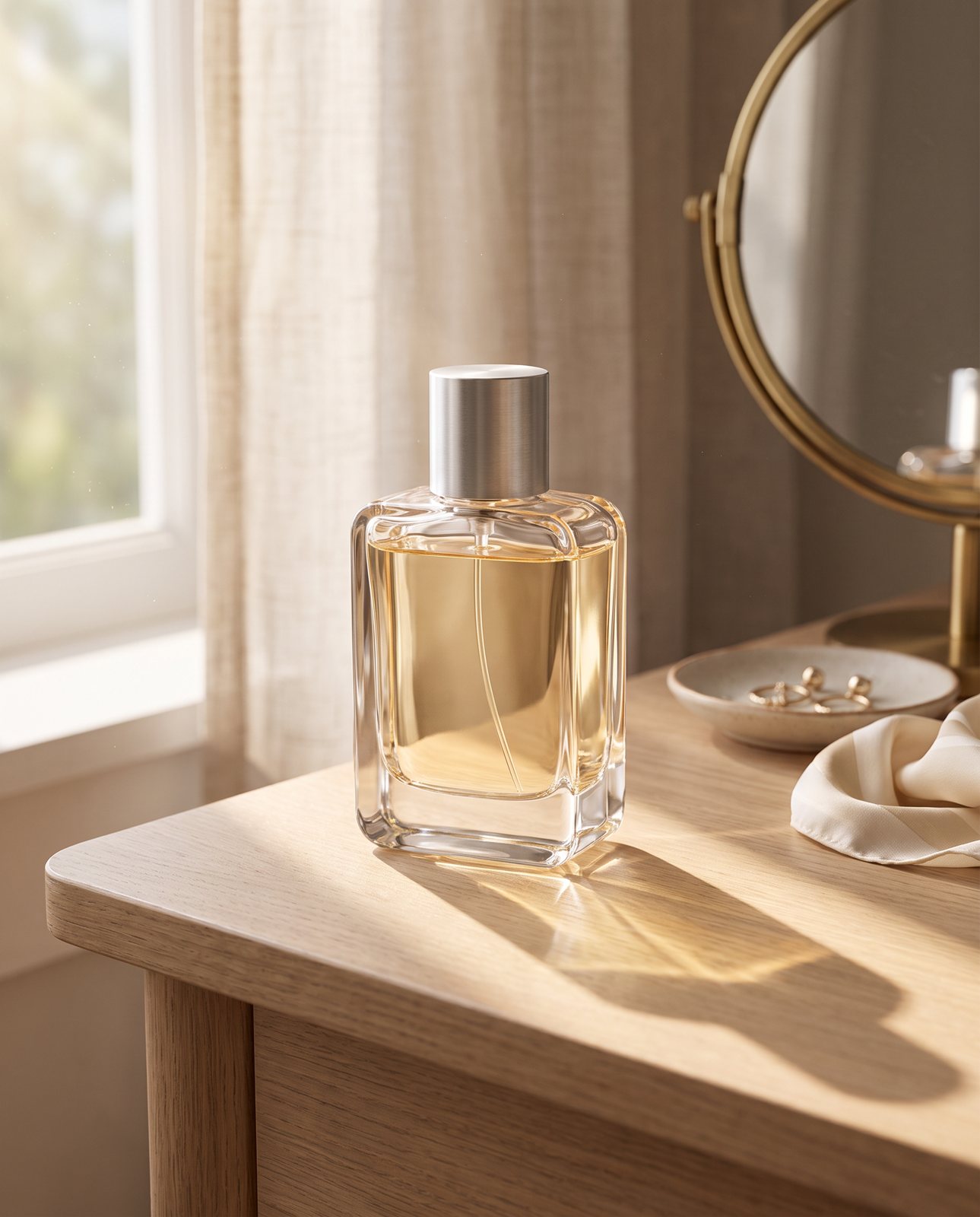
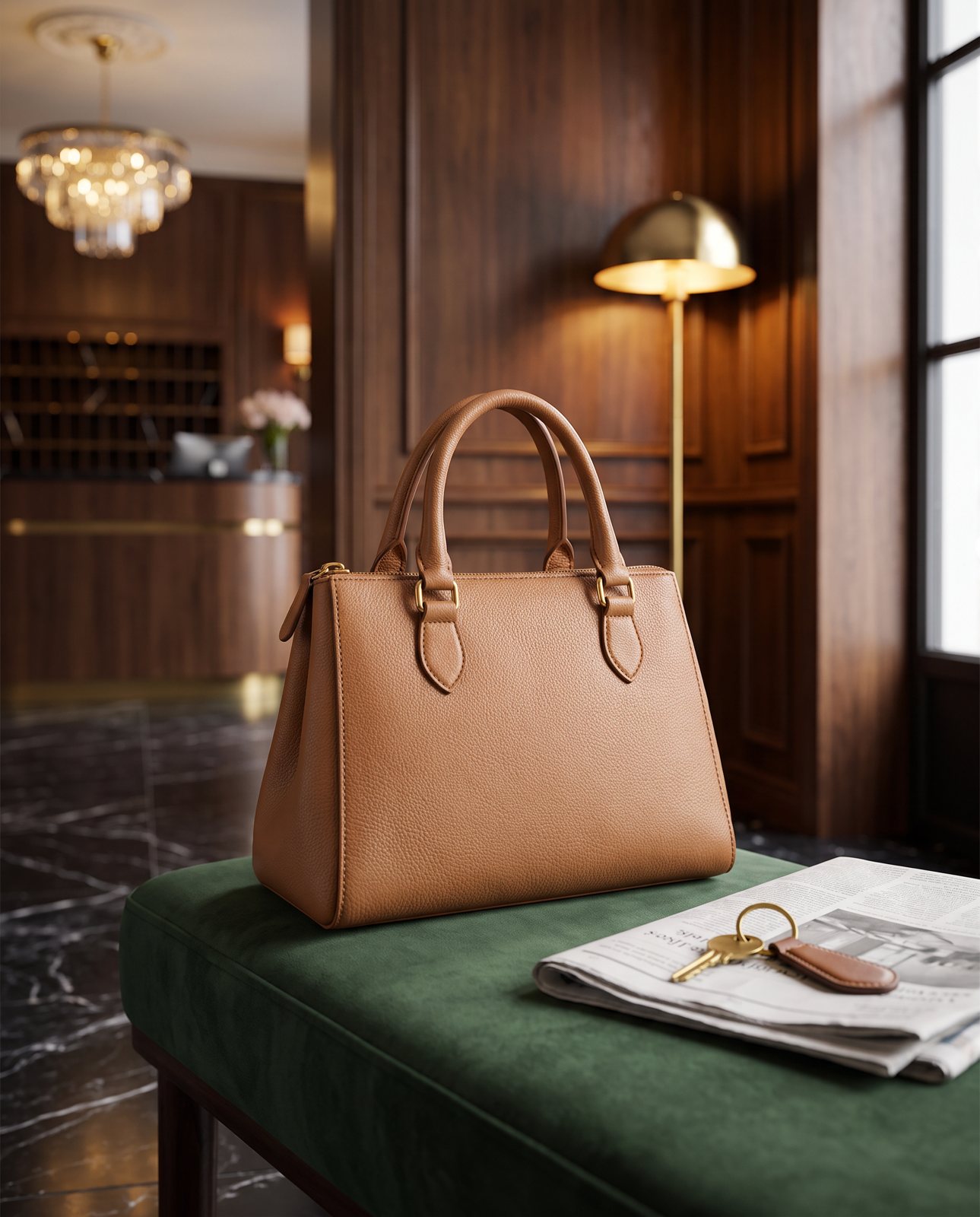
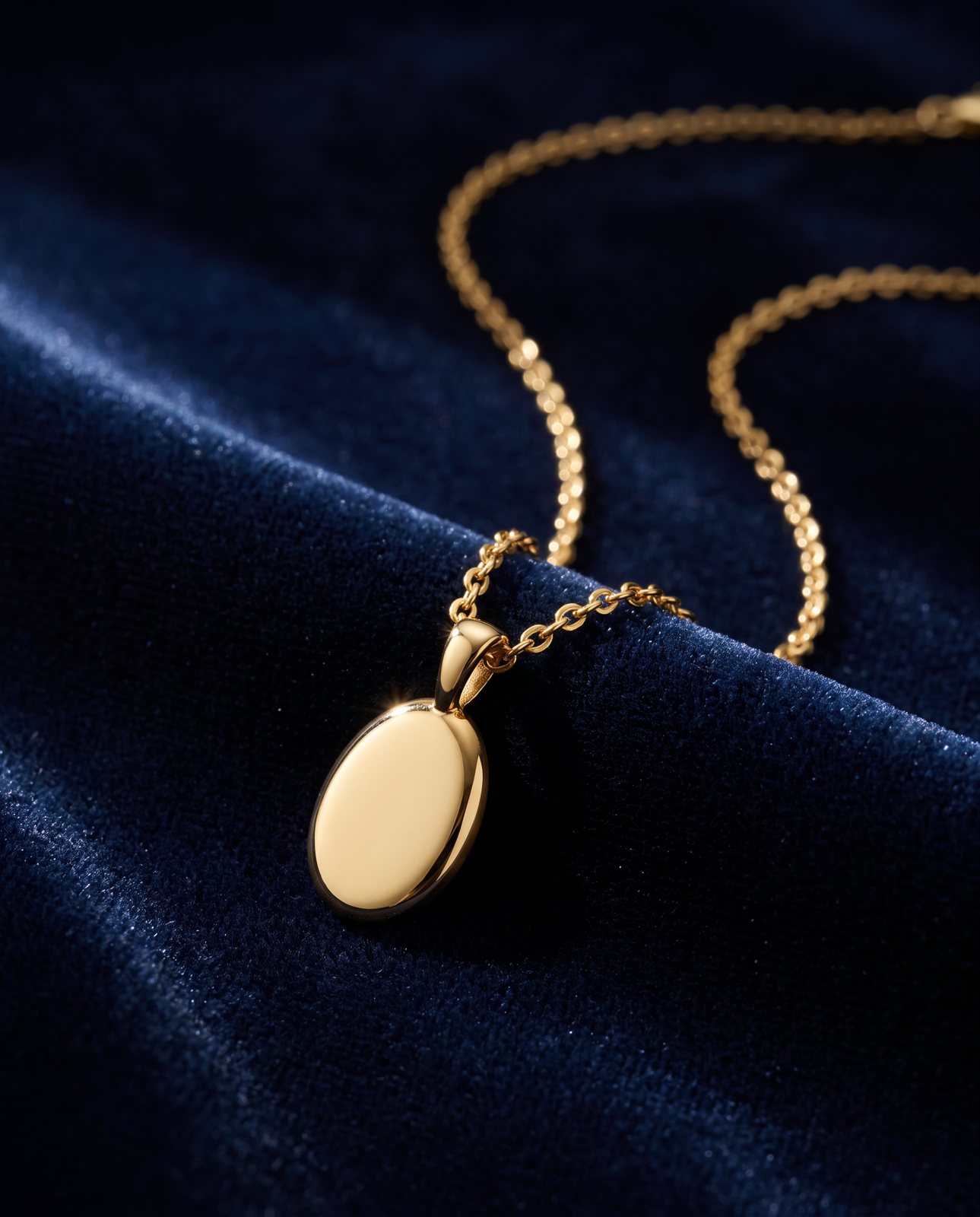
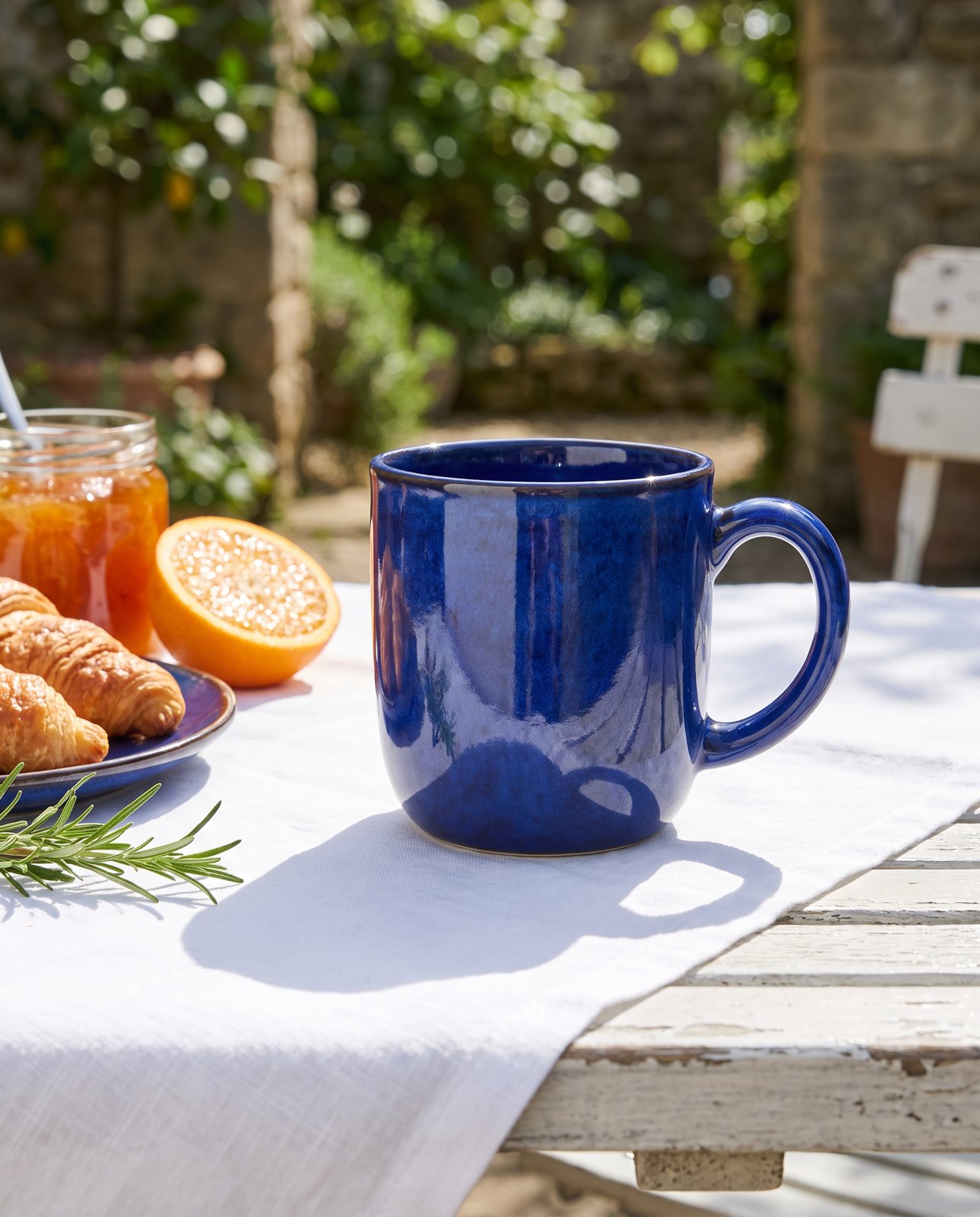
We should be honest about what an AI scene is. Our shots start from your own photo, but the whole image, product included, is reimagined with AI. That is why we check each shot against your original before you get it. A candle on a sunlit windowsill that never existed is a setting. A candle that comes out a shade you do not make, or with its label quietly redrawn, misrepresents the item, and Etsy's accuracy rule covers exactly that.
So the rule is now Etsy's, not just our advice: keep at least one real, unedited photo of the item in every listing and use AI scenes as extra images. We would go one step further and make the first photo a straight one of the item as it ships. AI scenes are there to show mood and setting, and the real photos show buyers exactly what they will get.
What we do: a real product you own or sell, put into new scenes, each shot checked against the original and labelled "Reimagined with AI", with standard AI-provenance metadata in the file. What we do not do: make a product look different from what you ship, or shoot well-known brands' products (you are told before you pay). The AI product photography guide covers the method in full.
What to put in the listing so the photo is honest
Etsy's disclosure rule is written about items created with AI. For images, it asks for accuracy and one unedited photo rather than a label. We would disclose AI settings anyway, in the listing description, in plain words. For example: "Photos 1 and 2 show the item as it ships. Photos 3 to 5 place it in settings created with AI." It takes one line and leaves no buyer wondering.
Then let the words do the work the scene cannot. State the size, colour and materials in the description, because a styled scene can make scale and finish hard to judge.
Our "Reimagined with AI" label helps you keep track of which files are which. It sits on our shots, so it does not count as the note in your Etsy description. You still need to write that.
A quick check before you upload
Put the AI image next to your original photo and go through this:
- Colour. Compare it properly, in good light. Colour is where AI scenes slip. In our testing, a coral skincare jar and an amber perfume both drifted, and brushed steel kept picking up its surroundings; those shots were held back or needed extra attempts. That is a small sample, not an industry figure.
- Labels and logos. Read them letter by letter. In an adversarial test, our check rejected a product recoloured blue and a product with a made-up logo added. These errors do happen, and you are the last person to look before a buyer does.
- Shape and details. Look for anything added, missing or smoothed away: stitching, glaze marks, clasps, the grain of the wood.
- The unedited photo. Is at least one real, unedited photo of the item against a real background in the listing? Etsy requires it for most products. Ideally make it the first.
- Disclosure. Is the AI note in the description?
If every answer is yes, upload. If one is no, fix it first.
We run the same comparison on our side. Before you pay, we study your photo and list what must stay the same, free, in about a minute. A shot that changes the product is remade with a specific fix, up to three attempts in all; if it is still wrong, a person checks it, and it is never delivered as is. In our demo run on 2 October 2026, 27 of 30 shots were delivered and 3 were held back. You also get one free redo per delivered shot.
When you do not need an AI scene
Plenty of Etsy listings do not need us.
If you need a plain white-background packshot, a £10 lightbox will do it better and cheaper than we can, with no AI question to answer at all. The white background photography guide shows how.
If a flat-lay on your own bench already sells, leave it alone. A real photo of a real thing on a real surface is exactly the unedited photo Etsy's rules ask for, and many handmade shops sell on that look.
An AI scene earns its place when you want a setting you cannot easily build, like a lifestyle shot that would otherwise mean props, a location and a free weekend. For sizes and crops, see the Etsy listing photo size guide. If you want to see your own product in new scenes, upload one photo for a free check.
Questions
Are Etsy sellers allowed to use AI images?
Yes, within limits. Since 22 October 2026, Etsy's Listing Image Requirements allow photo editing and AI tools on listing images as long as the result accurately represents the physical product. For most products, at least one image must be an unedited photo of the actual item against a real background, with no AI used on it. Items created with AI must be disclosed in the listing description.
Does Etsy allow AI mockups of a real product?
An AI image that places your real product in a new setting is allowed as an additional image if it shows the item accurately: colour, texture, condition and scale. Etsy lists replacing the background as an allowed edit, and its AI article mentions placing items in settings that show size or use. What it bans is an AI approximation that does not match the real item, or using AI to change the item's design or features.
Do I have to say an Etsy product photo was made with AI?
Etsy's disclosure rule is written about items: if an item is created with AI, you must say so in the listing description. The image rules ask for accuracy and one unedited photo rather than a label. A one-line note saying which photos use AI settings costs nothing and keeps buyers informed, so we would add it.
Can an AI scene make my handmade item look different from what I ship?
It can: any AI tool can drift colour, change a label or add a detail, and Etsy now names that as prohibited. If an item arrives materially different from its photos, Etsy may refund the buyer at your cost. We check every shot against your original photo; a shot that changes the product is remade, held back or checked by a person, and never delivered as is.
What is the unedited photo Etsy requires?
For most physical products, at least one listing image must be a real photo of the actual item against a real background, with no editing software or AI used to alter it. The exceptions are specific: print-on-demand items may use an authorised stock mockup, and some digital downloads may use representative images. Patterns, recipes and seeds need a real photo of a finished result.
Questions people ask
Are Etsy sellers allowed to use AI images?
Yes, within limits. Since 22 October 2026, Etsy's Listing Image Requirements allow photo editing and AI tools on listing images as long as the result accurately represents the physical product. For most products, at least one image must be an unedited photo of the actual item against a real background, with no AI used on it. Items created with AI must be disclosed in the listing description.
Does Etsy allow AI mockups of a real product?
An AI image that places your real product in a new setting is allowed as an additional image if it shows the item accurately: colour, texture, condition and scale. Etsy lists replacing the background as an allowed edit, and its AI article mentions placing items in settings that show size or use. What it bans is an AI approximation that does not match the real item, or using AI to change the item's design or features.
Do I have to say an Etsy product photo was made with AI?
Etsy's disclosure rule is written about items: if an item is created with AI, you must say so in the listing description. The image rules ask for accuracy and one unedited photo rather than a label. A one-line note saying which photos use AI settings costs nothing and keeps buyers informed, so we would add it.
Can an AI scene make my handmade item look different from what I ship?
It can: any AI tool can drift colour, change a label or add a detail, and Etsy now names that as prohibited. If an item arrives materially different from its photos, Etsy may refund the buyer at your cost. We check every shot against your original photo; a shot that changes the product is remade, held back or checked by a person, and never delivered as is.
What is the unedited photo Etsy requires?
For most physical products, at least one listing image must be a real photo of the actual item against a real background, with no editing software or AI used to alter it. The exceptions are specific: print-on-demand items may use an authorised stock mockup, and some digital downloads may use representative images. Patterns, recipes and seeds need a real photo of a finished result.