The short answer: match the service to the job
Work out what the job is before you work out who does it. If the job needs a camera pointed at the real thing in a room, you want someone with a camera and a room. If the job is "I have a perfectly good photo and I need the product to look at home in a kitchen, on a garden table or on a sunlit desk", that is a different job, and it is the one we do.
Most of the pages ranking for this search are studio sales pages and directories, and they all say they do everything. Nobody does everything. So this post sorts services by job, says what each type is bad at (us included) and ends with five questions to ask anyone before you pay.
Three kinds of product photography service
A studio is a business with a space, lighting, kit and usually a team. You post the product or bring it in, and they shoot it. A freelancer is one person doing a similar job, often with more flexibility and lower overheads. An AI service takes photos you already have and makes new scenes from them, with no physical shoot at all.
People often reach for a fourth option: a general AI chat tool. It is tempting, but those tools redraw the product as they restage it, so labels, logos and colours can change, and there is no built-in check against your original. You could end up showing a product that is not quite the one you sell. The guide to AI product photography covers that in more depth.
What each is good at, and where each lets you down
Studios are good at control and consistency: the same lighting across a hundred products, proper white backgrounds, models, spins, anything physical. Where they let you down is cost and effort. You post your stock off, you wait, and for a small shop the bill can sting. Studio prices vary too much to quote here, but the product photography cost guide has figures.
Freelancers are good at flexibility, and often bring a more personal feel to your product. They let you down when you need a lot of images quickly, or when their next free day does not line up with your launch.
AI services are good at scenes. Take one photo and put the product on a marble worktop, a garden table or a shelf in warm morning light. It is quick: a 3-shot order took about 4 minutes in our testing on 2026-10-01. Where they let you down is anything that has to be physically captured, plus certain materials and small print, which the worked example below shows.
Whatever you choose, the source photo matters. An AI scene can only keep what your photo shows clearly.
Where we are the wrong choice
This is the section studio pages never write.
Plain white-background packshots. We do not beat a £10 lightbox at this. If your marketplace wants a clean product on white, a lightbox and your own camera will get you there for less than anything we would charge. Our white background product photography guide walks you through it.
Models. If a person needs to hold, wear or use the product, you need a person and a camera. Every shot we make is reimagined with AI, which is no substitute for someone actually wearing your jumper.
360 spins. A spin needs the real product turning in front of a real lens. We cannot fake that honestly.
Famous brands' products. The image services we use refuse them. In our test on 2026-10-01 with a famous-brand trainer, 5 of 14 generations were refused, and an unbranded product had none refused. Customers are told before paying, so nobody is out of pocket. If you resell big-name goods, a studio or freelancer is the answer.
Five questions to ask before you pay anyone
These work for a studio, a freelancer or an AI service.
- What happens if a shot is wrong? Look for a clear answer. Ours: if a shot changes the product, it is remade with a specific fix, up to three attempts in all. If it is still wrong, a person checks it, and it is never delivered as is. You also get one free redo on every delivered shot.
- Can I see anything before I commit? Before you pay, our free check lists every colour, shape and mark that must stay the same. It takes about a minute.
- Is AI work labelled? Every shot we deliver is labelled "Reimagined with AI" and carries standard AI-provenance metadata.
- What can you not do? If the answer is "nothing", walk away.
- What happens to my photos? Ours are deleted 90 days after the order.
The fourth question tells you more than the other four put together.
A worked example: ten products, three scenes each
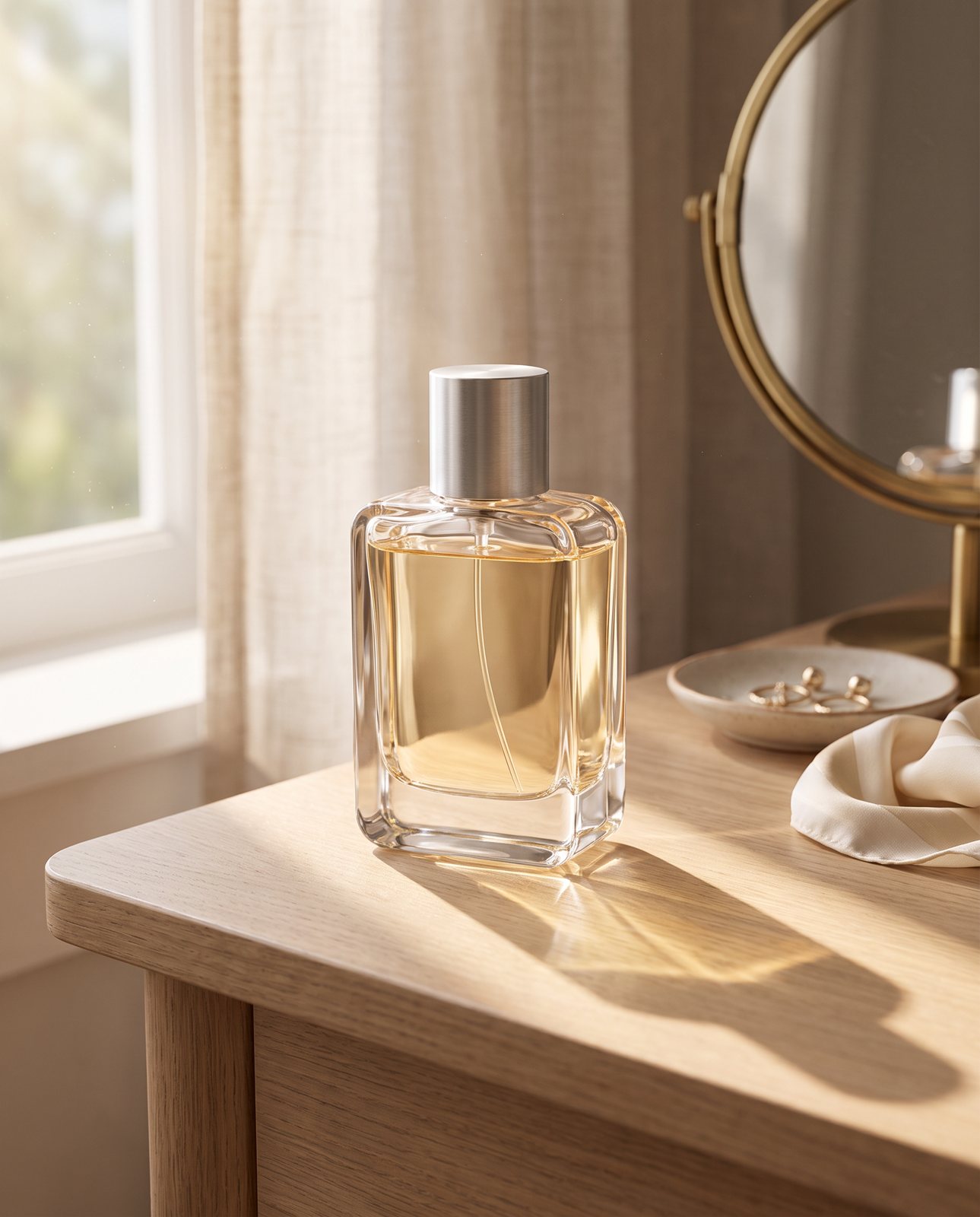
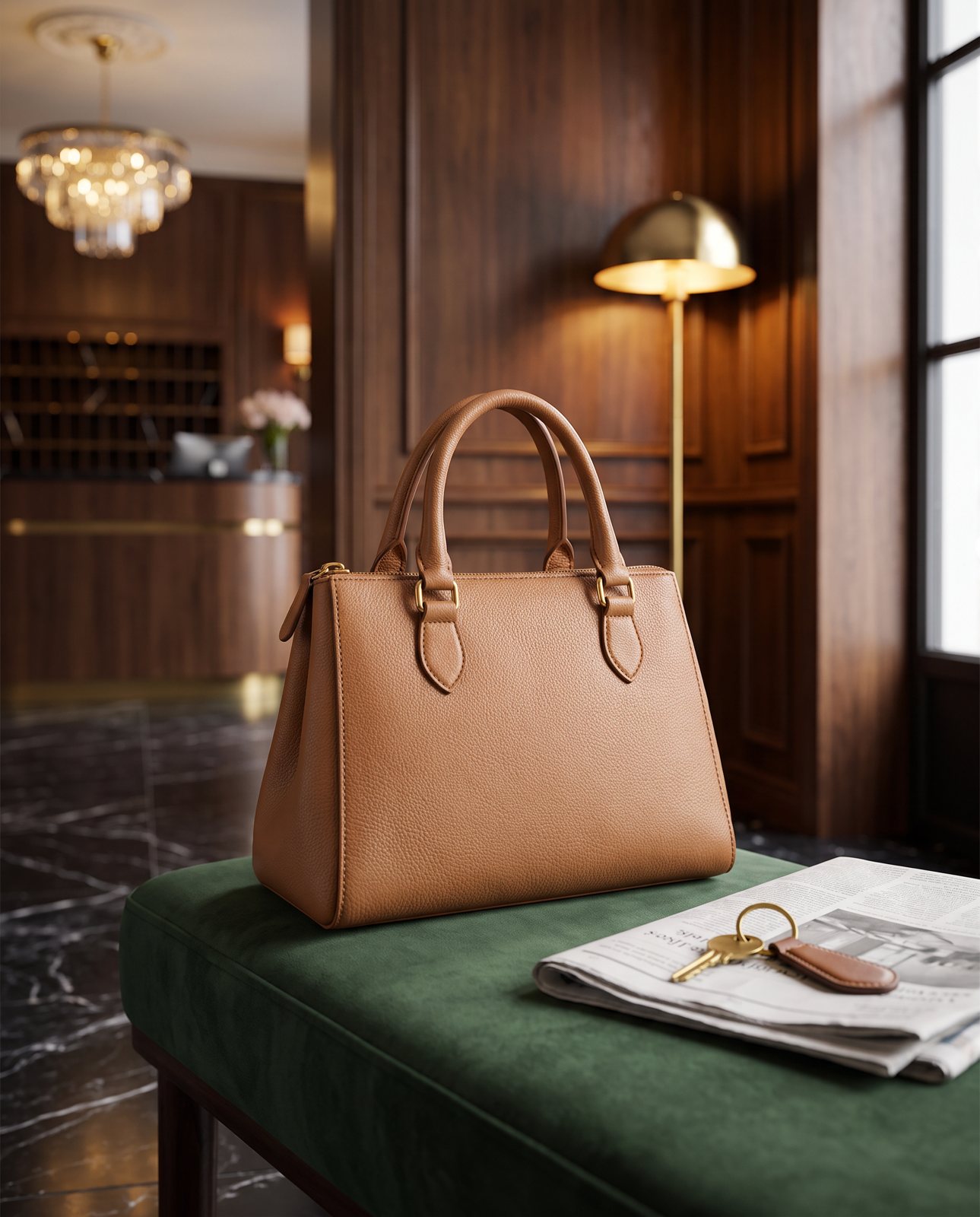
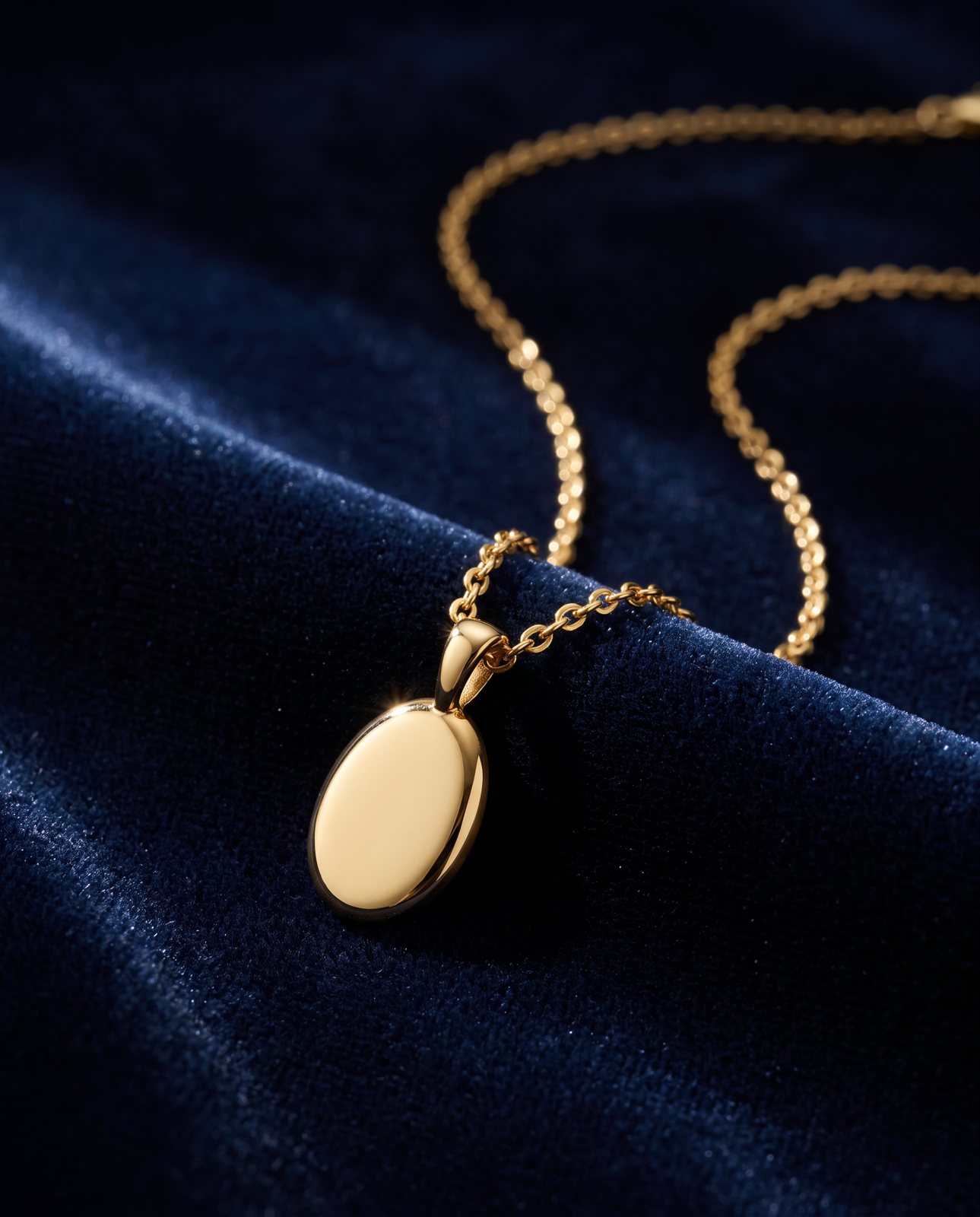
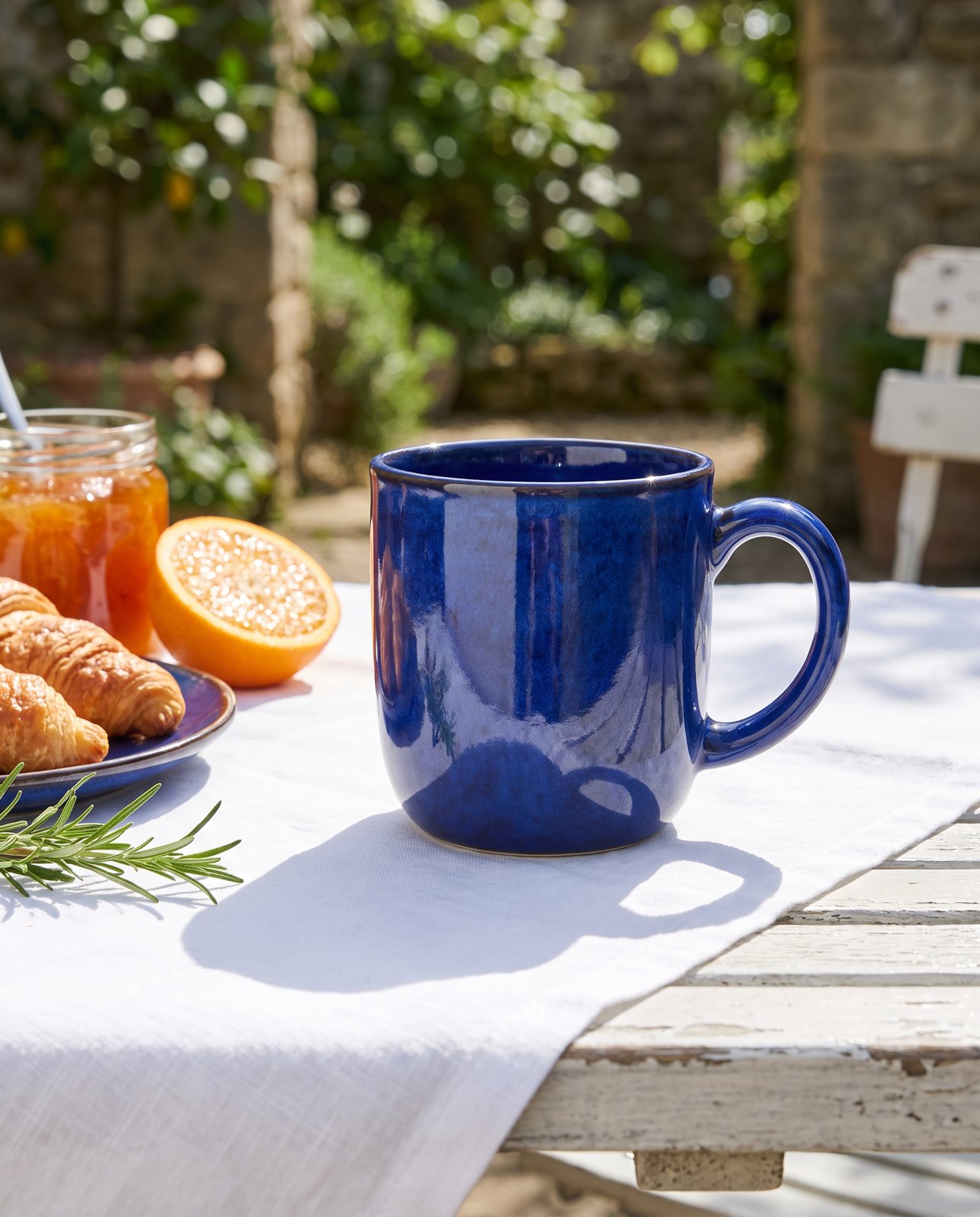
This is our own demo set, run on 2026-10-02 with products we own: a perfume bottle, skincare jar, trainer, handbag, mug, steel bottle, coffee pouch, headphones, chair and necklace. Three scenes each made 30 shots. The check delivered 27 and held back 3. It is a small sample, so read it as a pattern to watch for and nothing more.
The trainer and the chair passed on the first attempt, as did most of the mug, headphones and necklace scenes.
The failures were the more useful part. Two of the three held-back shots were steel bottle scenes: brushed steel picks up its surroundings, and both scenes failed all three attempts, so they were never delivered. We would rather hold a shot back than send one that looks wrong.
Colour was the other weak spot. A coral skincare jar and an amber perfume both drifted in colour, and one perfume attempt was rejected by the check as "colour wrong". Colour is the first thing a customer notices, which is why the free check lists it.
One caution from a separate test: in the famous-brand trainer test, small printed text on the product came out garbled on most shots, while logos and large text held. If your box has a paragraph of tiny writing on it, check every shot closely.
Ten products is not much to go on, so do not base a business decision on it. The lesson is where to look hardest: reflective metal, strong colours and small print.
Using a studio and an AI service together
Most small sellers end up doing this, and it makes sense once you see how the jobs divide.
Get the physical work done properly once: clean packshots from a studio or your own lightbox, a model day if you need one, a spin if your product page needs it. Then use those real photos as raw material for scenes. With us you upload 1 to 3 photos of a product (JPG, PNG, WebP or HEIC, up to 15 MB each) and choose square 1:1, portrait 4:5, story 9:16 or wide 16:9 for different channels.
Packs are 3 shots for £19 (£6.33 a shot), 5 for £29 (£5.80) and 10 for £49 (£4.90), or 11 to 40 shots at £4.50 a shot, with VAT included. The full breakdown is on our pricing.
If your product fits the AI side of that split, upload a photo for the free check and see what we would keep the same before you spend anything.
Questions people ask
What does a product photography service actually include?
It depends on the type. A studio or freelancer usually shoots your physical product and edits the results. An AI service takes a photo you already have and makes new scenes from it, with no physical shoot. Always ask what is included and what costs extra, such as retouching, extra angles or reshoots.
When is a studio worth hiring for a small business?
When the job is physical: consistent white-background packshots across a whole catalogue, models, 360 spins, or products from famous brands. If you want all of that done for you to one standard, a studio earns its fee. For figures, see our product photography cost guide.
Can an AI service replace a product photographer?
For some jobs. It cannot replace a photographer for models, spins or true packshots, because those need the real product in front of a real lens. It is good at putting a product you have already photographed into new scenes, as long as every shot is checked against your original.
What should I send a photography service before they quote?
Clear photos or the product itself, a list of the shots you want, where they will be used and the shapes you need, such as square for marketplaces or 9:16 for stories. For us that means 1 to 3 photos of the product, and the free check shows what we will keep the same before you pay.
Do AI product shots have to be labelled?
We label every shot "Reimagined with AI" and each file carries standard AI-provenance metadata, whatever the platform asks for. Be wary of any provider that will not say plainly which images were made with AI.